During the invasion of Fantasia in the @literunico I want to talk about a book that I recently read: "O Timbre Magista", by Cuca Nuñes, published by Legendari, with 184 pages.
“ ‘Man is a well’, he said Aara in golden times. If someone looked at Sigurd, the well, and observed the stony part above the ground, where the bucket was bound, he would see a man bored, and that man would say that the reason for it is because he was not interested in inferior beings like those around him. If he looked a little deeper and touched the water with the fingertips, he would see that, in fact, he was jealous of all those magicians graduated from major teaching institutions when he himself was expelled in his first year of education. Now, if you crossed the water limits and reached the wet ground, in the bottom of the well itself, and dug with a spoonful of yogurt, you'd find that Sigurd didn't like it there because, where everyone was wizards, he was just one more. ‘What the hell, he likes the spotlight!’ a little voice in the unconscious of man would say.
This is a short passage from the fourth chapter of The Magist timbre, by Cuca Nuñes. It's not how the book starts, but for me, it might as well be. It is not, because it does not give the exact tone of the book, which is much lighter and funnier, however, it caught me so much that when I finished this paragraph, I could only ask myself: “Po***, Cuca! Why did you stop?” This is the moment when we begin to understand the real protagonist. The author prefers to give us gradually the nuances of the character, and I found it so strong that I decided to start this review by this passage. One can infer so much about Followerd through this passage that he hardly needs explanations. Followerd is vain, resentful and insecure, even blasé — a pit of insecure women. Cuca was great when he wrote it.
With short and numerous chapters (there are 45 in total), Cuca offers us a quick and dynamic reading.
The author doesn't waste any time. On the first page we are presented to the great secret of Sigurd: he is an illiterate and incarcerated wizard. He lives isolated from the Magist society in his tower until the day he receives a letter from a distant friend. With his magic, Followerd hears it, and here begins the acid humor of the author: after hearing the letter, Sigurd believes he has discovered his own destiny.
From the beginning of the first chapter, the personal difficulties of Sigurd are present, but the narrator tells everything lightly, which tears us smiles as we read. He's debauched, ironic, and he makes his own little jokes.
In fact, when it comes to jokes, the whole book can also be seen as a light joke with all kinds of medieval fantasy. While I was reading, I couldn't help but remember the 3D&T sessions I played in my teens (playing RPG players will understand me and love this book). In the book, one does not see or speak of elves and dwarves, but we have a dragon of chapisco, for example; we have the dogons (a reference or inspiration to Minecraft, perhaps); we have the polaris, creatures of the tribes that inhabit the icy regions, and other interesting and, say, differentiated manifestations of magic itself. There is a nonsense that permeates the world built by Cuca, a kind of chaos that does not confuse, but compels to want it more. At the end of the journey of Sigurd, when he discovers his true destiny and potential, there is that taste of want more; that desire to know how the old cranky created by Cuca will face the future obstacles built along The Magist Timbre (yes, that is a confession that I want a sequel, although I do not know if there will be one).
One of the passages that marked me the most, even in the third chapter, happens when Followerd, then at the beginning of his journey, comes across a talking stone. The passage is deep, full of meaning — and hilarious.
Timbre Magista is a work aimed at children and young people and is easily a gateway for those looking for a light (comfortable) reading of fantasy and that escapes some of the patterns that today saturate the works of the genre. The author does not bother to tell an original story. The idea of a powerful wizard but not seen as such is not exactly new, although it is no cliché, but is not the point here. The point is a well executed story, well told, well written, that amuses and entertains without getting lost in the process, which Cuca easily achieves in this which is his debut novel.
Automatically translated from Portuguese.
View original
Durante a invasão da Fantasia no @literunico quero falar de um livro que li recentemente: "O Timbre Magista", de Cuca Nuñes, publicado pela Lendari, com 184 páginas.
“‘O homem é um poço’, dizia Aara em tempos áureos. Se alguém olhasse para Sigard, o poço, e observasse a parte pedregosa acima do solo, onde se amarra o balde, veria um homem entediado, e esse homem diria que a razão disso é porque não se interessava por seres inferiores como aqueles que o rodeavam. Se olhasse um pouco mais fundo e tocasse a água com a ponta do dedinho, veria que, na verdade, ele tinha inveja de todos aqueles magos graduados por grandes instituições de ensino magista, quando o próprio fora expulso em seu primeiro ano de ensino. Agora, se você ultrapassasse os limites aquáticos e chegasse à terra úmida, no fundão do poço mesmo, e cavasse com uma colherzinha de iogurte, descobriria que Sigard não gostava dali porque, onde todos eram magos, ele era apenas mais um. ‘Que se dane, ele gosta dos holofotes!’, diria uma vozinha no insconsciente do homem”.
Este é um pequeno trecho do quarto capítulo de O Timbre Magista, de Cuca Nuñes. Não é como o livro começa, mas, para mim, bem que poderia ser. Não é, porque não dá o tom exato do livro, que é bem mais leve e divertido, porém, ela me pegou tanto que, quando terminei este parágrafo, só conseguia me perguntar: “Po***, Cuca! Por que você parou?”. Este é o momento quando começamos a entender o protagonista de verdade. O autor prefere nos entregar aos poucos as nuances do personagem, e achei tão forte que decidi começar essa resenha por esta passagem. Pode-se inferir tanto sobre Sigard através deste trecho que ele quase não precisa de explicações. Sigard é vaidoso, ressentido e inseguro, até mesmo blasé — um poço de inseguraças. Cuca foi genial quando a escreveu.
Com capítulos curtos e numerosos (são 45, no total), Cuca nos oferece uma leitura rápida e dinâmica.
O autor não perde tempo. Logo na primeira página somos apresentados ao grande segredo de Sigard: ele é um mago analfabeto e recluso. Vive isolado da sociedade magista em sua torre até o dia em que recebe uma carta de um amigo distante. Com sua magia, Sigard a ouve, e aqui começa o humor ácido do autor: depois de ouvir a carta, Sigard acredita ter descoberto o próprio destino.
Desde o início do primeiro capítulo, as dificuldades pessoais de Sigard se mostram presentes, mas o narrador conta tudo de forma leve, que nos arranca sorrisos enquanto lemos. Ele é debochado, irônico, e faz suas próprias piadinhas.
Aliás, em se tratando de piadas, o livro todo também pode ser visto como uma leve zoeira com todo o gênero de fantasia medieval. Enquanto lia, não pude deixar de lembrar das sessões de 3D&T que jogava na adolescência (jogadores de RPG me entenderão e amarão esse livro). No livro, não se vê nem se fala de elfos e anões, mas temos um dragão de chapisco, por exemplo; temos os dogons (uma referência ou inspiração a Minecraft, talvez); temos os polaris, criaturinhas das tribos que habitam as regiões geladas, além de outras manifestações interessantes e, digamos, diferenciadas, da própria magia. Há um quê de nonsense que permeia o mundo construído por Cuca, uma espécie de caos que não confunde, mas que compele a querer mais dele. Ao fim da jornada de Sigard, quando ele descobre seu verdadeiro destino e potencial, fica aquele gostinho de quero mais; aquela vontade de saber como o velhote ranzinza criado por Cuca vai enfrentar os futuros obstáculos construídos ao longo de O Timbre Magista (sim, isso é uma confissão de que eu quero uma sequência, embora não sei se haverá uma).
Uma das passagens que me marcou mais, ainda no terceiro capítulo, acontece quando Sigard, então no início de sua jornada, se depara com uma pedra falante. A passagem é profunda, carregada de significado — e hilária.
O Timbre Magista é uma obra direcionada ao público infanto-juvenil e é facilmente uma porta de entrada para quem procura uma leitura leve (aconchegante até) de fantasia e que foge um pouco dos padrões que hoje saturam as obras do gênero. O autor não se preocupa em contar uma história original. A ideia de um mago poderoso mas que não se vê como tal não é exatamene nova, apesar de não ser nenhum clichê, mas não é o ponto aqui. O ponto é uma história bem executada, bem contada, bem escrita, que diverte e entretém sem se perder no processo, o que Cuca consegue com facilidade neste que é seu romance de estreia.
Here's another science fiction story I've enjoyed writing.
History was born of a process. It didn't come to my mind immediately; I was looking for an idea that didn't take so long to write, because I was looking forward to publishing it; I thought I needed to publish something fast, to be seen. When I started writing it, I had an idea in my head. It came from a specific chapter of The End of Death by Cixin Liu. The chapter has five pages, and to me it is one of the most philosophical of all trilogy. At the same time, I was studying and doing research on Voyager-1, and Carl must have gotten into my head with his "realistic optimism", because the first version of my story had a much darker ending than the one that ended up going to the final version.
As I studied the content, the form, the Voyager-1 missions, my desire to include the voices of all those people grew ever greater; even though I understood that for some readers this part could get a little tiring, such was my longing that it became almost a necessity. I couldn't leave them out. I admit the emotion at the time of writing. While I was scrutinizing, I heard the songs sent on Voyager’s disc – including, for those who like music and music history, there is the recommendation; there is music from all over the world (although we still see more American works than any other country).
Voyager-1 is the most distant human object and the first to leave the "border" of the solar system. And this fact is quite well known; there are a handful of stories that start from the same motivation found in The Traveler – there are a dozen books in which aliens find Voyager in the interstellar environment, but not just wanted to tell an original story. I wanted to pay tribute. Not the probe, but the engineers and scientists who made it happen. To me, Voyager is one of the most symbolic, most emblematic and significant achievements in all of history.
To me, she's a metaphor. My first publication might have another name, but I'd get away from the travel vision I have of this writer career I'm trying to build.
I hope you enjoy reading this story as much as I enjoyed writing it. Leave in the comments what you found.
Automatically translated from Portuguese.
View original
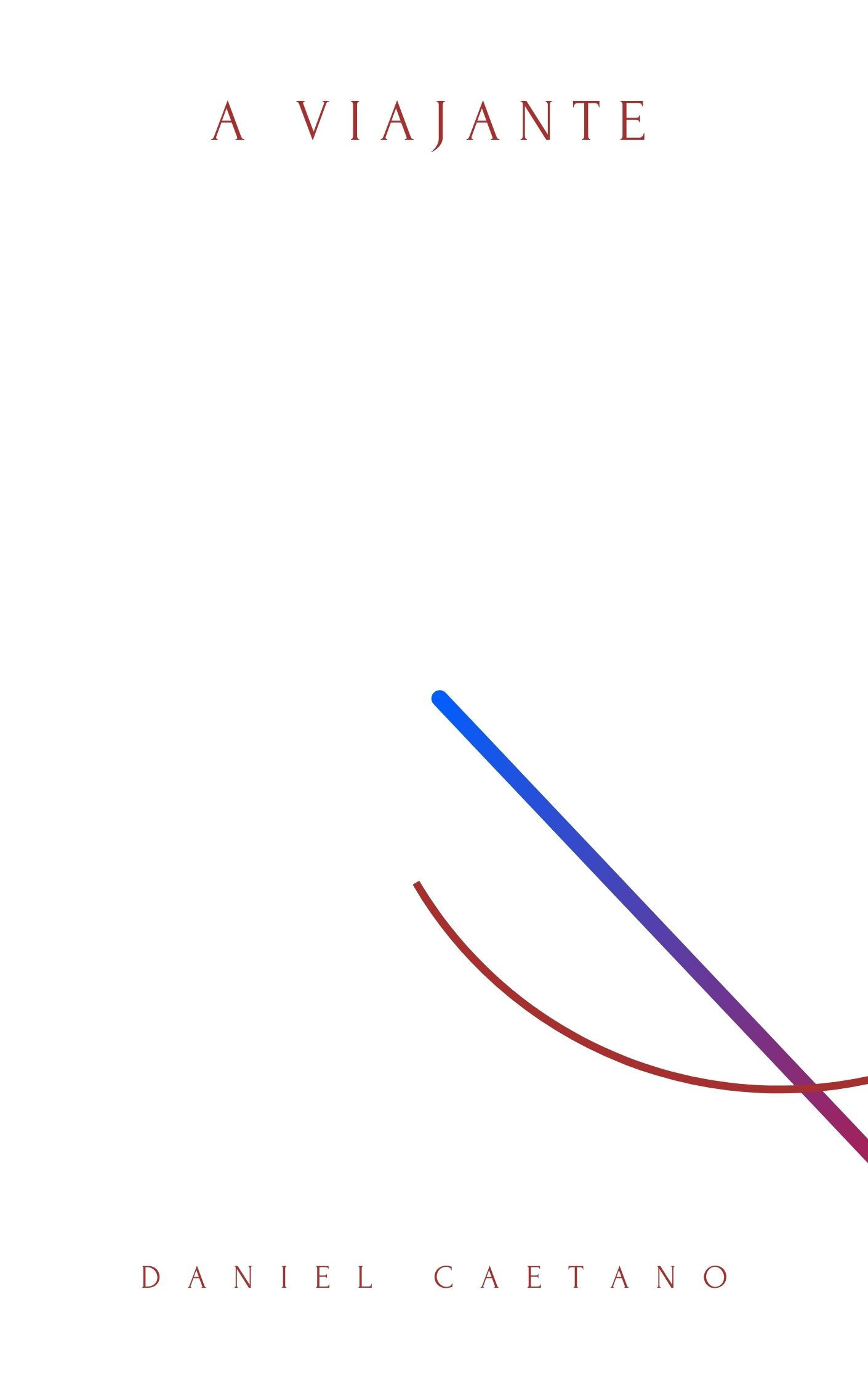
A Viajante | Conto
Eis aqui mais um conto de ficção científica que muito gostei de escrever.
A história nasceu de um processo. Não me veio à cabeça de imediato; procurava por uma ideia que não tomasse tanto tempo de escrita, pois estava ansioso por publicá-la; achava que precisava publicar algo rápido, para ser visto. Quando comecei a escrevê-la, tinha uma ideia na cabeça. Ela veio de um capítulo específico de O Fim da Morte, de Cixin Liu. O capítulo tem cinco páginas, e para mim é um dos mais filosóficos de toda a trilogia. Ao mesmo tempo, eu estudava e fazia pesquisas sobre a Voyager-1, e Carl deve ter entrado na minha cabeça com o seu "otimismo realista", pois a primeira versão do meu conto tinha um final bem mais sombrio do que a que acabou indo para a versão final.
Enquanto estudava o conteúdo, a forma, as missões da Voyager-1, ficava cada vez maior a minha vontade de incluir as vozes de todas aquelas pessoas; mesmo entendendo que para alguns leitores essa parte poderia ficar um pouco cansativa, tal foi meu anseio que isso se tornou quase uma necessidade. Eu não podia deixá-las de fora. Admito a emoção no momento da escrita. Enquanto rascunhava, ouvi repetidas vezes as músicas enviadas no disco da Voyager – inclusive, para quem gosta de música e da história da música, fica aí a recomendação; tem música do mundo inteiro (apesar de ainda vermos mais obras estadunidenses do que de qualquer outro país).
A Voyager-1 é o objeto humano mais distante e o primeiro a deixar a "fronteira" do sistema solar. E esse fato é bastante conhecido; há um punhado de histórias que partem da mesma motivação encontrada em A Viajante – há uma dúzia de livros em que alienígenas encontram a Voyager no meio interestelar, mas não queria apenas contar uma história original. Eu queria fazer uma homenagem. Não à sonda, mas aos engenheiros e cientistas que a fizeram acontecer. Para mim, a Voyager é um dos feitos mais simbólicos, mais emblemáticos e significativos de toda a História.
Para mim, ela é uma metáfora. Minha primeira publicação até que poderia ter outro nome, mas se afastaria da visão de viagem que tenho dessa carreira de escritor que estou tentando construir.
Espero que gostem de ler este conto tanto quanto eu gostei de escrevê-lo. Deixe nos comentários o que achou.
Boudicca A figure of resistance against foreign oppression, Boadiceia, as was called by the Romans, was one of the most significant women of antiquity.
His husband, King Prasutagus, in order to establish a position of understanding with the Empire, articulated an agreement with the Romans. In his will, he left the Roman emperor as co-heir of his lands along with his two daughters. However, after the controversial death of Prasutagus (some say he was poisoned by the Romans), the procurator Cato Deciano ignored the will and appropriated the entire inheritance of the icens. Through brutal acts, they began to control the region directly and definitively. There was protest, but Rome overtook him quickly. Rome's response to the protest was disproportionate. The queen was flogged in a public square; her two daughters were raped. Infuriated, Boudicca started a revolt. Extremely charismatic, the queen sewed alliances between the British peoples surrounding her.
The Boadicea Revolt occurred between 60 and 61 A.D., and some historians say of the time that she committed all kinds of atrocity in her uprisings against Rome in the name of a goddess named Andraste and, under her leadership, the rebels took three major cities controlled by Rome. About 70 to 80 thousand Romans lost their lives in the attacks promoted by Boadicea.
Historian Dio Cassio says of her: "Boadicea was tall, terrible to look at and blessed with a powerful voice. A waterfall of red hair reached their knees; it wore a golden necklace composed of ornaments, a multicolored robe and on it a thick coat bound by a brooch. He carried a long spear to frighten anyone who laid his eyes on him."
The revolt ended after Rome found a suitable battlefield for his cavalry. Even in the Numerica, the empire managed to destabilize Boudicca's army in a decisive confrontation. Decided not to risk being captured by Rome again to suffer even more severe punishments, Boudicca would have taken his own life after defeat.
Boudicca's fame took on legendary proportions in England centuries later. He won a bronze statue next to Westminster Palace; a film in 2023; appeared in electronic games and will now appear in Águas do Ara pyau, my first novel, which will come out this year. I just hope my version of Boudicca is up to the Boudicca of real life.
Automatically translated from Portuguese.
View original
Boudicca | A Rainha Guerreira
Figura de resistência contra a opressão estrangeira, Boadiceia, como era chamada pelos romanos, foi uma das mulheres mais significativas da Antiguidade.
Seu esposo, o rei Prasutagus, no intento de firmar uma posição de entendimento em relação ao Império, articulou um acordo com os romanos. Em seu testamento, deixava o imperador romano como co-herdeiro de suas terras juntamente com suas duas filhas. No entanto, após a controversa morte de Prasutagus (há quem diga que foi envenenado pelos romanos), o procurador Cato Deciano ignorou o testamento e se apropriou de toda a herança dos icenos. Através de atos brutais, passaram a controlar de forma direta e definitiva a região. Houve protesto, mas Roma sufucou-o rapidamente. A resposta de Roma ao protesto foi desproporcional. A rainha foi açoitada em praça pública; suas duas filhas, violadas. Enfurecida, Boudicca iniciou uma revolta. Extremamente carismática, a rainha costurou alianças entre os povos britânicos vizinhos ao seu.
A Revolta de Boadiceia ocorreu entre 60 e 61 d.C, e dizem alguns historiadores da época que ela cometeu todo tipo de atrocidade em seus levantes contra Roma em nome de uma deusa chamada Andraste e, sob sua liderança, os rebeldes tomaram três grandes cidades controladas por Roma. Cerca de 70 a 80 mil romanos perderam a vida nos ataques promovidos por Boadiceia.
O historiador Dião Cássio diz sobre ela: "Boadiceia era alta, terrível de olhar e abençoada com uma voz poderosa. Uma cascata de cabelos vermelhos alcançava seus joelhos; usava um colar dourado composto de ornamentos, uma veste multicolorida e sobre esta um casaco grosso preso por um broche. Carregava uma lança comprida para assustar todos os que lhe deitassem os olhos".
A revolta terminou depois que Roma encontrou um campo de batalha adequado para sua cavalaria. Mesmo em desvantagaem númerica, o império conseguiu desestabilizar o exército de Boudicca num confronto decisivo. Decidida a não correr o risco de voltar a ser capturada por Roma para sofrer punições ainda mais severas, Boudicca teria tirado a própria vida após a derrota.
A fama de Boudicca tomou proporções lendárias na Inglaterra, séculos depois. Ganhou uma estátutua de bronze ao lado do Palácio de Westminster; um filme em 2023; apareceu em jogos eletrônicos e agora vai aparecer em Águas do Ara pyau, meu primeiro romance, que vai sair esse ano. Eu só espero que a minha versão de Boudicca esteja à altura da Boudicca da vida real.
At the height of an alien civilization, the Weaver faces a devastating moral dilemma: pressing a button that will end the war between two worlds, but at the cost of destroying one of them. Reluctant, he yields to the inexorable logic of his society, beginning a sequence of events that will reverberate for ages.
Millenniums later, the fragment of the planet destroyed by Weaver crosses interstellar space and finds its destination on a small planet, then dominated by biodiversity. The collision, the result of the decision of a being at a distant point of the cosmos, marks the end of an era of continuity in the history of the planet.
The tale follows the moments before, during and after the devastating impact. Through the eyes of primitive creatures the reader witnesses the destructive power of the asteroid that sealed the fate of the young planet.
As the world plunges into fire, darkness, and cold, we accompany life’s survival effort. A symbol of resilience adapts to new hostile conditions and perpetuates its lineage until millions of years later its descendants take control of the planet.
With a narrative that alternates between micro and macro, "Chicxulub" connects the collapse of an alien civilization to the event that transformed the Earth and shaped the future of mankind. It is a reflection on the impact of choices, the power of nature and the cycle of destruction and renewal that governs the cosmos.
Automatically translated from Portuguese.
View original
No auge de uma civilização alienígena, o Tecelão enfrenta um dilema moral devastador: apertar um botão que porá fim à guerra entre dois mundos, mas ao custo da destruição de um deles. Relutante, ele cede à lógica inexorável de sua sociedade, dando início a uma sequência de eventos que reverberará por eras.
Milênios depois, o fragmento do planeta destruído pelo Tecelão cruza o espaço interestelar e encontra seu destino num pequeno planeta, então dominado pela biodiversidade. A colisão, resultado da decisão de um ser em um ponto distante do cosmos, marca o fim de uma era de continuidade na história do planeta.
O conto acompanha os momentos antes, durante e após o impacto devastador. Por meio do olhar de criaturas primitivas o leitor testemunha o poder destrutivo do asteroide que selou o destino do jovem planeta.
À medida que o mundo mergulha em fogo, escuridão e frio, acompanhamos o esforço de sobrevivência da vida. Um símbolo de resiliência se adapta às novas condições hostis e perpetua sua linhagem até que, milhões de anos depois, seus descendentes assumem o controle do planeta.
Com uma narrativa que alterna entre o micro e o macro, "Chicxulub" conecta o colapso de uma civilização alienígena ao evento que transformou a Terra e moldou o futuro da humanidade. É uma reflexão sobre o impacto das escolhas, o poder da natureza e o ciclo de destruição e renovação que rege o cosmos.
I read it a long time ago, but I remember the excitement of every page I read. For those who like war history, “Azincourt” is a full dish; it is the “classic” Bernard Cornwell that we all love and, I must say, an excellent gateway for those who want to meet this author.
“Azincourt” is a reliable representation of one of the most striking and emblematic periods of the Hundred Years’ War — the famous war between England and France — from the point of view of one of the English archers. The strength of "Azincourt" lies in its ability to combine historical facts with a fictional narrative in a way that only Cornwell can do. It's almost a history class. It depicts the brutality and glory of war (if any), with clarity of envy; it practically throws us in the middle of the battle as we read and, believe me, suffocates just by reading the scene. The final battle of this book is a punch in the stomach (remember the “Battle of Bastards” in Game of Thrones?, is similar). The historical precision, the research (Cornwell took care to access the Archives of the Library of England to collect the true names of the archers who participated in the battle), the narrative and the characters are impressive. I highlight the “mentor” of the main character. A hilarious guy who swears and swears like only Cornwell could imagine. It's just that kind of supporter who steals all the scenes he's in.
To sum up, because I don’t want to give any spoiler, “Azincourt’ is one of the books I carry for life, and it’s certainly one of those that influenced my career in writing.
Automatically translated from Portuguese.
View original
O tema do Livro que apoia o #desafio de hoje é:
29 - Fale sobre um livro de guerra!
#Link365TemasLivros
Faz bastante tempo que li, mas lembro da empolgação a cada página que lia. Pra quem gosta de história da guerra, “Azincourt” é um prato cheio; é o “clássico” Bernard Cornwell que todos nós amamos e, devo dizer, uma excelente porta de entrada pra quem deseja conhecer esse autor.
“Azincourt” é uma representação fidedigna de um dos períodos mais marcantes e emblemáticos da Guerra dos Cem Anos — a famosa guerra entre Inglaterra e França — do ponto de vista de um dos arqueiros ingleses. A força de "Azincourt" reside na sua capacidade de combinar fatos históricos com uma narrativa ficciona de um jeito que só o Cornwell sabe fazer. É quase uma aula de História. Ele retrata a brutalidade e a glória da guerra (se é que isso existe), com clareza de dar inveja; ele praticamente nos joga no meio da batalha enquanto lemos e, acreditem, dá sufoco só de ler a cena. A batalha final desse livro é um soco no estômago (lembram da “Batalha dos Bastardos” em Game of Thrones?, é parecido). A precisão histórica, a pesquisa (Cornwell teve o cuidado de acessar os Arquivos da Biblioteca da Inglaterra para coletar os nomes verdadeiros dos arqueiros que participaram da batalha), a narrativa e os personagens são impressionantes. Eu destaco o “mentor” do personagem principal. Um sujeito hilário que xinga e fala palavrões como só o Cornwell podia imaginar. É bem aquele tipo de coadjuvante que rouba todas as cenas em que está presente.
Resumindo, pois não quero dar nenhum spoiler, “Azincourt’ é um dos livros que carrego pela vida, e certamente é um dos que influenciaram meu trajeto na escrita.
Movement — The drone has stopped, Commander. - Reason? — Movement ahead. Life? - Negative, but still moving. The signal went down and the cabin plunged into the dark. Then Yukka's commander felt his ship move alone.
Alexa - Alexa, tell a joke. — How many humans does it take to change a light bulb? None. Because humans are no longer needed.
Testimony " We were flying over Kepler-PR/1035 in low orbit when the panels distorted before us. Monitors, buttons, levers, everything! Same with the stars. Then everything went dark. That's when we lost control of Einstein. When the lights came back, the system restarted and everything went back to normal, except for the date. I was wrong. In 17 million years."
True. 50 years after leaving the solar system, Latifah remained silent. On Earth, most flight controllers would have forgotten it, except for one, who was fascinated by its history. When the log finally arrived, through the only transmission made by the ship, he was the first to read the single sentence of the entire document: "If you saw the Truth, you'd close your eyes." Latifah never returned.
Orphan I never had a mother tell me every night before bed that monsters don't exist. However, even if she had, she'd be wrong.
Automatically translated from Portuguese.
View original
5 Microcontos
----
Movimento
— O drone parou, comandante.
— Motivo?
— Movimento à frente.
— Vida?
— Negativo, mas continua se movendo.
O sinal caiu e a cabine mergulhou no escuro. Depois, o comandante da Yukka sentiu sua nave mover-se sozinha.
Alexa
— Alexa, conte uma piada.
— Quantos humanos são necessários para trocar uma lâmpada? Nenhum. Porque humanos não são mais necessários.
Depoimento
"Estávamos sobrevoando Kepler-PR/1035 em órbita baixa quando os painéis se distorceram diante de nós. Monitores, botões, alavancas, tudo! O mesmo com as estrelas. Depois tudo ficou escuro. Foi aí que perdemos o controle da Einstein. Quando as luzes voltaram, o sistema reiniciou e tudo voltou ao normal, exceto pela data. Estava errada. Em 17 milhões de anos".
Verdade
50 anos após deixar o osistemas solar, a Latifah continuava em silêncio. Na Terra, a maioria dos controladores de voo teria se esquecido dela, exceto por um, quem era fascinado por sua história. Quando o diário de bordo finalmente chegou, através da única transmissão feita pela nave, ele foi o primeiro a ler única frase de todo o documento: "Se vocês vissem a Verdade vocês fechariam os olhos". A Latifah nunca mais retornou.
Órfão
Nunca tive uma mãe que me dissesse todas as noites, antes de dormir, que monstros não existem. No entanto, mesmo que tivesse tido, ela estaria errada.
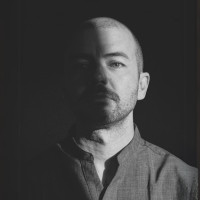
Here is a new mining writer of science fiction and historical speculation. Natural of Divinópolis/MG, I write since I was 13, but only in 2023 published my first short story, entitled "The Traveler".
I have an unrequited passion for astronomy, which was born in childhood after my father acquired a simple 700mm bezel and showed me the craters of the moon, Saturn's rings and Jupiter's Galilean moons. After that, my mother's contribution to introducing me to Carl Sagan's Cosmos pushed me even further in this direction. Space fascinates me as much as it frightens me and confuses me. I also grew up playing RPG, which helped develop a taste for storytelling. Not to mention literary influences. I love Tolkien and Bernard Cornwell, but it was Arthur C. Clarke and Sagan who opened my eyes to science fiction. It was after reading "2001" and "Meeting Rama", both Clarke's, that I realized that the stories that were in my head fit into the genre. However, I was a long time away from literature. I didn't write for years because I'd discovered another passion.
The photograph came to me while I was doing social media college in BH. I wanted to work with her. I dedicated myself to her. But it didn't last long. After two years of photographing weddings, I realized that's not what made me happy. Then the writing resumed the place that was rightfully yours. Actually, he never left. I left one form of writing for another, after all. I like to say I'm a writer twice, because, well, photography is written in light.
Today, in addition to "The Traveler", which has a physical version in UiClap, I also published (recently, including) another short story, called "Chicxulub", which is available only in a digital version on Amazon, and I am working on my first novel, which deserves an exclusive post (you're giving me a job...).
Anyway, I hope this new space is a new chapter not only for my career as a writer, but also for all the new writers who, like me, are struggling to grow up and be seen at this pale blue dot...
Automatically translated from Portuguese.
View original
Saudações literúnicas!
Eis aqui um novo escritor mineiro de ficção científica e especulação histórica. Natural de Divinópolis/MG, escrevo desde os 13 anos, mas somente em 2023 publiquei meu primeiro conto, intitulado "A Viajante".
Tenho uma paixão não correspondida por astronomia, que nasceu ainda na infância depois que meu pai adquiriu uma singela luneta de 700mm e me mostrou as crateras da lua, os anéis de Saturno e as luas galileanas de Júpiter. Depois disso, a contribuição feita pela minha mãe ao me apresentar ao "Cosmos" de Carl Sagan me impulsionou ainda mais nessa direção. O espaço me fascina tanto quanto me assusta e me confunde (dá bug na minha cabeça). Também cresci jogando RPG, o que ajudou a desenvolver o gosto pela contação de histórias. Isso sem citar as influências literárias. Gosto muito de Tolkien e Bernard Cornwell, mas foi Arthur C. Clarke e Sagan que abriram meus olhos para a ficção científica. Foi depois de ler "2001" e "Encontro com Rama", ambos de Clarke, que percebi que as histórias que estavam na minha cabeça cabiam no gênero. No entanto, fiquei bastante tempo afastado da literatura. Fiquei anos sem escrever, pois havia descoberto outra paixão.
A fotografia veio até mim enquanto fazia a faculdade de Comunicação Social, em BH. Eu queria trabalhar com ela. Me dediquei a ela. Mas não durou muito. Depois de dois anos fotografando casamentos percebi que não era o que me deixava feliz. Então a escrita retomou o lugar que era seu por direito. Na verdade, nunca saiu de lá. Saí de uma forma de escrita para outra, no fim das contas. Gosto de dizer que sou duas vezes escritor, porque, ora, fotografia é escrita com luz.
Hoje, além de "A Viajante", que conta com uma versão física na UiClap, publiquei também (recentemente, inclusive) outro conto, chamado "Chicxulub", que está disponível apenas em versão digital na Amazon, e estou trabalhando no meu primeiro romance, o qual merece um post exclusivo (tá me dando um trabalhão...).
Enfim, espero que este novo espaço seja um novo capítulo não só para minha carreira como escritor, mas também para todos os novos escritores que, como eu, estão lutando para crescer e serem vistos nesse pálido ponto azul...
Cookies no Literúnico: usamos os técnicos para login e segurança. Analytics e Tag Manager só serão ativados se você permitir. Ver Política de Privacidade.